The British artistic spectrum
The United Kingdom leads the contemporary visual arts sector, driven by heritage institutions and avant-garde experimentation. From East London to the Scottish Highlands, creative output evolves across diverse mediums. This ecosystem supports established masters while nurturing emerging visionaries defining new aesthetic boundaries.
Figurative portraits and contemporary visions
British collections explore individual identity and social expression through compelling narratives.
Curators present exhibitions challenging figurative traditions, demanding viewer interaction. Innovative lighting and monumental scale immerse audiences, encouraging critical reflection on the human form and psychological depth within contemporary portraiture.
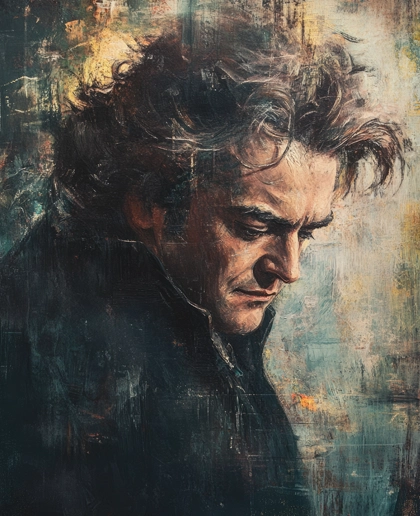
Introspective classical self-portraits
Portraitists render themselves with meticulous technique, blending hyperrealism and symbolic motifs to convey autobiographical stories and emotional nuance.
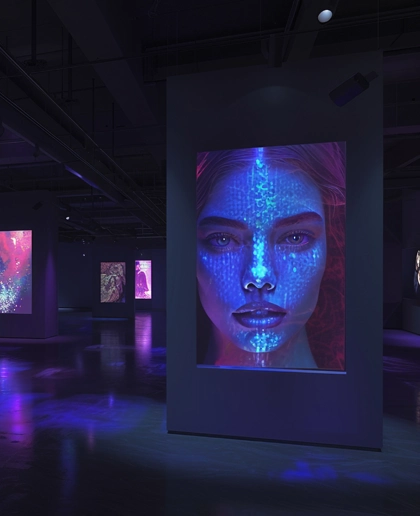
Interactive digital art portraits
Augmented reality and virtual media invite audience engagement, transforming static likenesses into immersive participatory experiences.
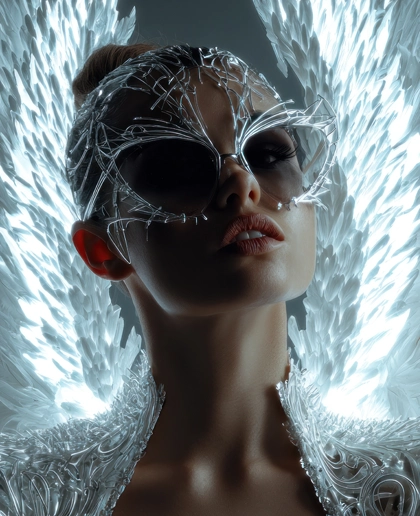
Conceptual portrait studies
Experimental compositions explore subjectivity beyond physical appearance, using abstraction and mixed media to question societal norms regarding perception.
Shifting tides in UK cultural news
The post-Brexit landscape reshapes arts funding and international collaboration, prompting focus on domestic talent and regional diversity. Major institutions prioritize community engagement alongside high-concept aesthetics, decentralizing creative power beyond London. Critics note a surge in socially conscious themes, where galleries debate climate crisis and identity politics. This influences curatorial selection for permanent acquisitions, favoring societal documentation over decorative art.
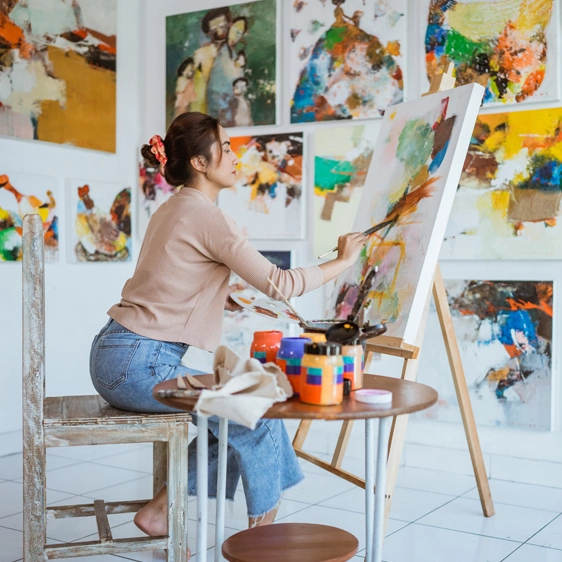
Inside the studios of contemporary creators
To understand an artist’s practice, one must observe studio solitude, where abstract concepts become tangible creations through disciplined routine. Biographical profiles of prominent makers reveal a commitment to craft, prioritizing authentic expression over market success. These narratives highlight the mental resilience needed to endure art criticism while preserving individual identity.
Innovation in British photography and visual arts
Contemporary photography merges with digital manipulation, mixed media, and installation art as legitimate expression. Creators experiment with lighting, texture, and algorithmic processes to expand sensory impact. Conservators navigate preservation strategies for archival prints, projections, and hybrid materials that age distinctly. Technological collaborations enable bespoke tools, allowing visual artists to explore mediums previously considered unconventional in fine art.
Mastering artistic techniques and materials
Traditional craftsmanship determines the creative outcome.
Artisans select brushes, chisels, and engraving tools with precision. Traditional painting mediums, sculpting clays, and specialized printmaking plates are combined to produce textures and tonal effects unattainable with mass-produced supplies.
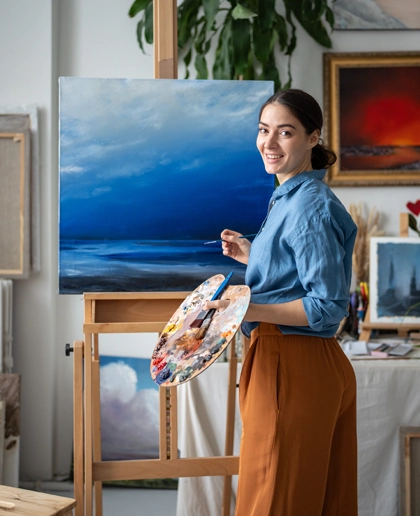
Traditional oil and watercolor methods
Oil, tempera, and watercolor techniques enable nuanced color layering, requiring patient application and masterful brushwork to achieve depth.
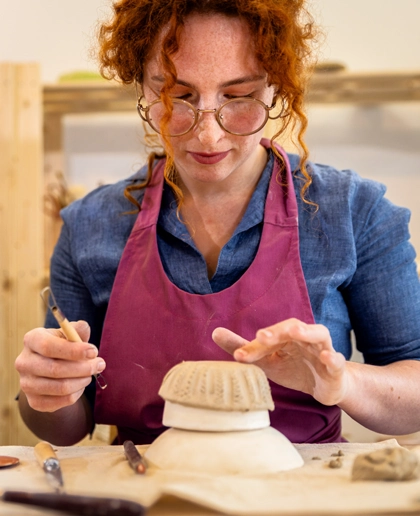
Sculpture and modeling techniques
Clay, plaster, and stone are shaped through additive and subtractive processes, exploring volume, form, and surface detail with tactile sensitivity.
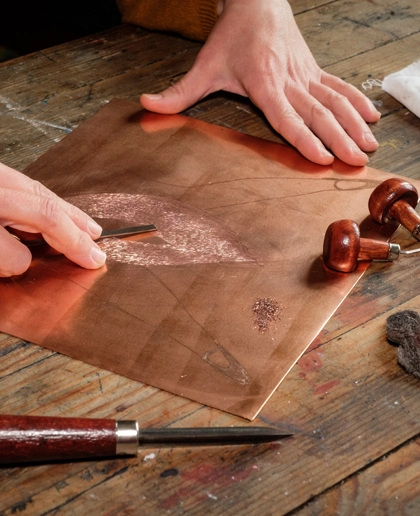
Engraving and fine art printmaking
Intaglio, relief, and etching demand meticulous plate handling, translating intricate line work into reproducible editions retaining delicate textures.